In an era of unprecedented technological acceleration, we stand at a critical inflection point. Rapid innovation is fundamentally reshaping industries and redefining what’s possible.
As part of a new podcast series, Ahead of the Risk, I sat down with industry leader Eran Agrios, SVP and General Manager for Financial Services at Salesforce, to discuss how companies like ours are strategically navigating this transformative landscape and leading the way through these unprecedented changes.
Success today requires more than adopting new tools. It also requires trust, transparency, and shared responsibility. Effective AI integration depends on strong partnerships, ethical standards, and its lasting impact, all while keeping the human element at the heart of innovation.
The inflection point
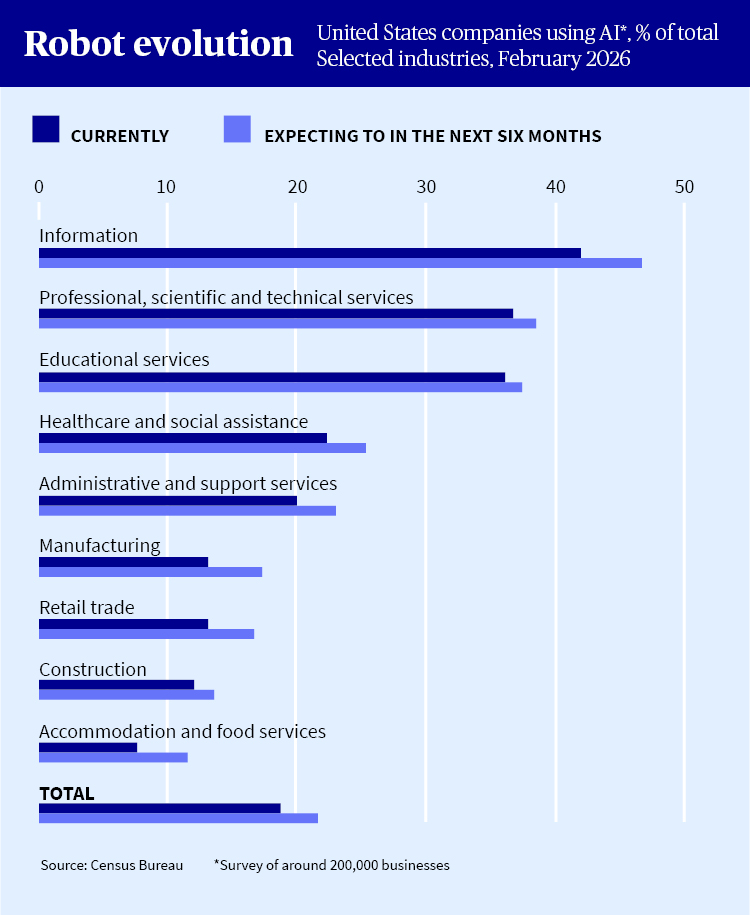
Technologies like Generative and Agentic AI have only truly been in mainstream use over the past few years, creating both tremendous opportunity and uncertainty. In fact, according to industry statistics, as of 2026, 88% of organizations are using AI in at least one business function, up from roughly one-third in 2023. The change is now and it’s critical that organizations develop adaptive strategies to keep pace. Eran advocates for a partnership approach rooted in shared risk where technology providers and clients work closely together to navigate the complexities and opportunities of AI adoption. To me, this collaborative mindset builds trust and ensures that organizations are best positioned to take advantage of the potential for positive transformational change.
Establishing a “North Star,” a clear, long-term vision that guides decision-making amid a constantly shifting environment is critical. Eran pointed out that many organizations’ aspirational goals span three to five years, but at the same time, because change is happening so quickly, flexibility is essential. Change will continue to accelerate, so companies must be willing to pivot and adapt along the way. This balance between a guiding vision and operational agility is vital. It allows us to pursue our ambitions while remaining responsive to new opportunities and risks.
Leaders play a crucial role in guiding their organizations through these rapid changes with transparency and empathy, ensuring that everyone feels supported and heard.
- Lucy Pilko
Enhancing the client experience while driving efficiency and saving time
What excites me most about AI is its incredible potential to create efficiencies and free up human time for more meaningful, impactful work. For example, a 2023 study by MIT researchers found that using ChatGPT reduces completion times for writing tasks by nearly 40%. Additional research established average productivity gains of 15-30% in real-world settings. Eran shared how Salesforce’s own implementation of AI solutions -- from chatbots to internal knowledge management systems -- provides a clear example of how automation can simplify and optimize processes. For instance, AI helps reduce call volumes in customer support, allowing agents to dedicate more time to complex issues that genuinely require human empathy and judgment.
AI also accelerates problem-solving by providing quicker access to relevant data, enabling colleagues to serve clients more effectively and with greater confidence. This is about more than just efficiency; it’s about giving back valuable time — to our colleagues, our clients, and our organizations. Ultimately, it’s about fostering a more human-centric approach to business, where technology empowers us to focus on what truly matters: building relationships, solving complex problems, and creating value that benefits everyone involved.
Balancing innovation with risk management
Despite AI’s incredible potential, it presents significant risks --regulatory, ethical, and environmental. Many are concerned about AI’s energy use and environmental impact. Global data traffic is expected to grow by 24% through 2027 fueled by the rapid growth of IoT devices, advancements in AI that depend on data centers. In the U.S. alone, there were over 4,000 operational data centers in 2025, with estimates suggesting that nearly 3,000 more are currently in planning or under construction. All of this activity needs power and data centers consumed about 4.4% of total U.S. electricity in 2023 and are expected to consume approximately 6.7 to 12% of total U.S. electricity by 2028.
Eran emphasized that building a sustainable AI infrastructure is essential, and I agree. Addressing these concerns helps us harness AI’s benefits responsibly. To do so, we must establish clear standards and guidelines for responsible AI development and deployment. This includes implementing effective controls to prevent bias or misuse, and investing in the data and technology needed for ethical use.
Salesforce exemplifies this approach by prioritizing trust. They address issues like bias and data security, demonstrating that ethical considerations are essential to AI’s success. Leaders should proactively manage these risks by ensuring transparency in AI development and use, engaging with regulators and policymakers, and continuously assessing AI’s impact.
Responsible AI leadership means actively shaping a future where technology benefits society. By focusing on ethics and sustainability, organizations can build trust and resilience, ensuring AI drives progress while upholding core social values.
The human element and compassion
Successful technological transformation centers on human values and needs. Leaders play a crucial role in guiding their organizations through these rapid changes with transparency and empathy, ensuring that everyone feels supported and heard. Addressing the human impact of technological change involves open dialogue – sharing concerns, answering questions, and alleviating fears.
Fostering trust is essential, and a culture of compassion helps organizations stay resilient during uncertainty. When organizations prioritize trust and human connection are prioritized, organizations build stronger, long-term partnerships, both internally with teams and externally with clients and partners. This mindset views AI and other advanced technologies as tools to empower, enhancing human potential rather than diminish it. By focusing on human-centric principles, businesses can use AI responsibly, fostering innovation that benefits everyone and drives sustainable growth.
Listen here: Ahead of the Risk with Salesforce