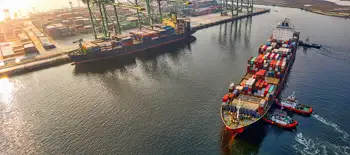
Cargo movements across the world involve multiple modes of transportation and storage. The system looks seamless from the outside, yet every handoff introduces risk. One area that often gets overlooked is cargo aggregation. It sounds simple. Gather many shipments in one place, move them together, and reduce costs. In practice, it creates concentrated exposure that can turn a minor incident into a major loss.
Understanding the risks, managing them, and backing them with strong cargo insurance is essential for any shipper, freight forwarder, logistics manager. The cost of ignoring these gaps can be far higher than the savings aggregation brings.
Risks of Cargo Aggregation
Cargo aggregation happens when multiple shipments are stored or handled together in a single location or conveyance. It can occur in a warehouse, on a container vessel, inside a port terminal, or on a truck carrying mixed cargo. The goal is efficiency. Group goods, streamline transport, drop the cost per unit, and improve speed.
The tradeoff is exposure. When cargo is scattered across multiple sites or conveyances, a single event may cause limited harm. When everything sits in one place, the loss potential multiplies. A warehouse fire does not damage only one shipment. A chemical leak can contaminate everything on the floor. A storm can flood an entire block of containers. A theft crew that gains access to a storage yard can empty several units in one sweep.
When cargo is scattered across multiple sites or conveyances, a single event may cause limited harm. When everything sits in one place, the loss potential multiplies.
Fire, earthquake, flood, explosion, port strikes, structural collapse, and pandemics can all affect large volumes at once. Even modern warehouses built with advanced fire suppression systems face challenges. High-racked storage, flammable goods, mixed commodities, lithium batteries, and dense packing can overwhelm systems in minutes. Once a fire takes hold, aggregated cargo becomes impossible to save.
Aggregation also poses other risks:
- Organized Theft: Cargo theft has become more sophisticated. Criminal networks monitor shipping patterns, scout facilities, intercept drivers, and exploit vulnerabilities. Aggregated cargo—full containers or entire rows of mixed shipments—becomes a prime target. Poor lighting, limited surveillance, lax access controls, or predictable routines further facilitate theft, risking widespread losses from a single breach.
- Incompatible Goods: Aggregation can inadvertently mix incompatible items—chemicals that react, goods requiring different humidity levels, or materials that emit fumes. Electronics near magnets or lithium batteries stored near high-temperature materials can cause damage across multiple shipments. A storage mistake can trigger cascading losses, making resolution costly and complex.
- Delays and Congestion: While aggregation can cut handling costs, it may lead to congestion during peak periods, especially at ports. This results in delays, increased demurrage, reduced inventory turnover, and disrupted production. The resulting operational costs and damages are real and impactful.
- Documentation and Identification Errors: In busy hubs, multiple shipments stored together increase the risk of mislabeling, barcode misses, or overlooked customs requirements. A small error can delay or block large quantities of cargo. In severe cases, misdeclared cargo can lead to regulatory fines or vessel incidents.
Minimizing Aggregation Risks
Effective risk management is essential to safeguarding your supply chain and ensuring business continuity. By implementing comprehensive strategies across storage, security, packaging, partnerships, and distribution, organizations can significantly reduce the likelihood and impact of potential losses.
- Improve Storage and Handling Practices: Segregate cargo intelligently. High value items should not sit near open access points. Hazardous goods should stay in isolated, compliant facilities. Temperature sensitive cargo needs dedicated spaces. Using zoning, color coding, and digital mapping reduces the chance of mixing incompatible items. Facility managers should review layout plans with risk professionals. The goal is to ensure that one incident affecting one zone does not automatically spread across the entire facility.
- Strengthen Security Measures: Security needs to be layered. Fences, controlled entry, badges, surveillance, guards, lighting, and tracking devices work best when used together. Technology plays a growing role. Real time monitoring, geofencing, tamper alerts, and AI driven video analytics help detect unusual movement before it becomes a loss. Training is also vital. Many breaches occur because someone props open a door, shares a login, or leaves a truck unattended. Strong procedures prevent small mistakes from becoming major thefts.
- Use Smarter Packaging and Palletizing: Poor packaging is one of the most common contributors to aggregated losses. When cargo is stacked tightly, a container shift, forklift strike, or minor leak can damage everything around it. Reinforced pallets, water resistant materials, shock sensors, and clear labeling can prevent many issues. Hazardous materials should follow strict regulations, including separation distances, sealed drums, and accurate manifests. Packaging is often the cheapest way to reduce risk yet is frequently overlooked.
- Audit and Choose Partners Carefully: Not all warehouses, ports, and carriers maintain the same standards. Before aggregating cargo with a partner, request their safety records, certifications, fire protection plans, and security protocols. Site visits matter. What looks compliant on paper may fall short in practice. Shippers should also ensure that forwarders and carriers have proper liability coverage, and that contracts clearly define responsibility for cargo while it is aggregated.
- Spread the Exposure: When possible, diversify storage locations or split shipments across multiple containers or conveyances. It can reduce savings, but it shields the business from a catastrophic single location loss. For high value or critical goods, the redundancy is worth it.
Securing Supply Chain with Cargo Insurance & Stock Throughput
Even with robust controls and procedures, complete elimination of all risks associated with cargo aggregation remains impossible. Natural disasters, human error, and unforeseen failures can still lead to significant losses. This underscores the crucial role of cargo insurance, which provides essential protection against a wide range of perils such as fire, theft, collision, and rough handling. For aggregated cargo, where losses can be particularly severe, having comprehensive insurance coverage becomes even more vital.
Cargo insurance not only safeguards physical goods but also offers clarity and efficiency in claims resolution. Without it, disputes among shippers, carriers, warehouses, and freight forwarders can become prolonged and costly. With a well-structured policy, claims are settled more swiftly, helping businesses maintain operations and reduce downtime. Modern cargo policies often extend beyond physical damage to include costs related to reconditioning, debris removal, and lost sales, enhancing the overall risk management framework. Many insurers also provide risk surveys, best practice guidance, and support in selecting safer facilities, further strengthening the safety net.
A stock throughput policy (STP) is a marine cargo insurance solution designed for companies that import, export, or distribute raw materials, work in progress and finished goods. A STP is customized to provide seamless coverage for the stock wherever it is located, from “cradle to the grave”, meaning at every stage of the supply chain – while the goods are in production, in transit by land, sea, or air, or while being stored in a warehouse location, to name a few. It is particularly relevant for aggregated cargo, as it encompasses the entire lifecycle of goods, including critical handling points where aggregation occurs.
By insuring the entire journey of goods, STP provides a comprehensive safety net that mitigates risks of physical damage, theft, and other perils at every stage. This integrated approach helps prevent a single incident from causing catastrophic losses across the entire inventory. Continuous coverage during transit and storage reduces potential gaps, making STP a vital component of a holistic cargo risk management strategy. Together, cargo insurance and STP policies ensure that businesses can better withstand the uncertainties of supply chain operations, protecting their assets and supporting operational resilience.
Cargo aggregation is essential in modern logistics, reducing costs and boosting speed, but it also concentrates risk. To mitigate this, companies should improve storage, enhance security, select reliable partners, spread exposure, and package cargo resiliently. However, these measures are not enough—cargo insurance acts as the vital safety net when the unexpected occurs. As supply chains tighten and stakes rise, protecting aggregated cargo is no longer optional. It’s a fundamental part of responsible logistics and long-term business survival.
About the Authors
John Smyth is an Underwriter in AXA XL's Marine Cargo unit, and Andrew Bumstead is AXA XL's Marine Claims Manager.